

Buyers Guide To The Pilatus PC-12
This guide covers a Buyer’s Guide to Purchasing a Pilatus PC-12 Aircraft.
Introduction to the Pilatus PC-12 Aircraft
When it comes to versatile and reliable aircraft, the Pilatus PC-12 stands out in a class of its own. As one of the most popular turboprop planes globally, this remarkable machine has captured the hearts of aviation enthusiasts and business travelers alike. Whether you’re soaring over rugged terrains or landing on short runways, the Pilatus PC-12 is designed to deliver an exceptional flying experience. With its impressive capabilities and efficiency, it’s no wonder that countless pilots choose this aircraft for both personal use and commercial applications. Join us as we dive into the fascinating world of the Pilatus PC-12, exploring its rich history, outstanding features, performance metrics, real-world applications, maintenance requirements, and how it stacks up against other planes in its category!
History and Development of the Pilatus PC-12
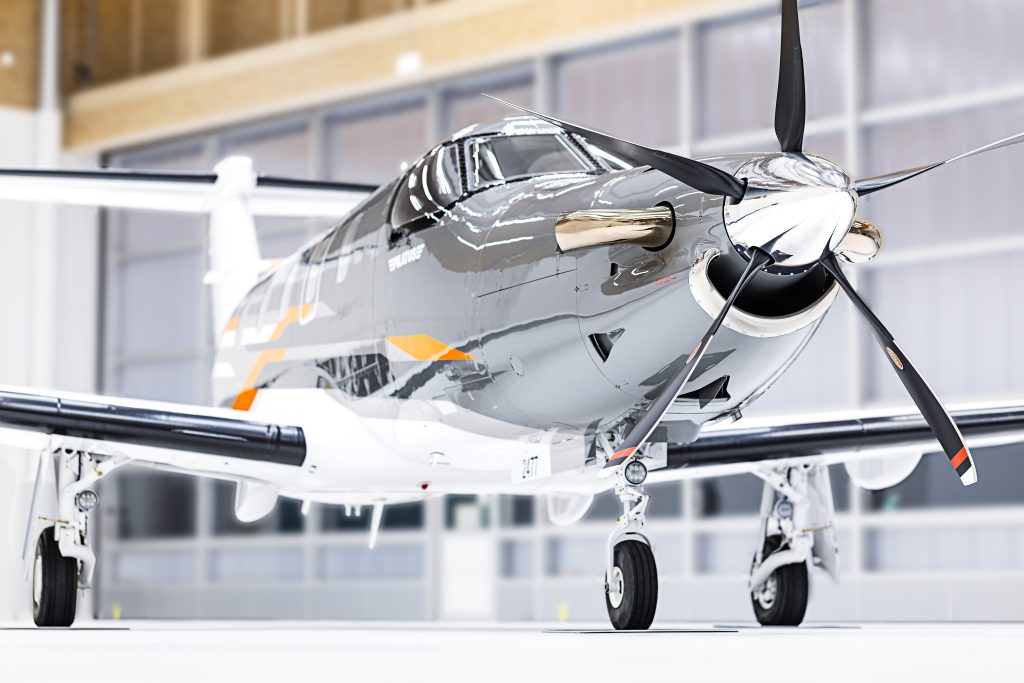
The Pilatus PC-12 has a rich history that began in the late 1980s. Its inception was driven by a demand for versatile, efficient aircraft capable of operating from short runways.
Pilatus Aircraft, based in Switzerland, launched this project with the vision of creating a robust turboprop aircraft. The first prototype took to the skies in 1991, showcasing impressive capabilities.
By 1994, the PC-12 received its certification and quickly gained popularity among private owners and commercial operators alike. Its adaptability allowed it to serve various roles—from air ambulance services to cargo transport.
With continuous improvements over the years, including advanced avionics and enhanced performance features, models like the PC-12NG emerged. This evolution solidified its reputation as one of the most reliable single-engine turboprops on the market today.
Features and Specifications of the Pilatus PC-12
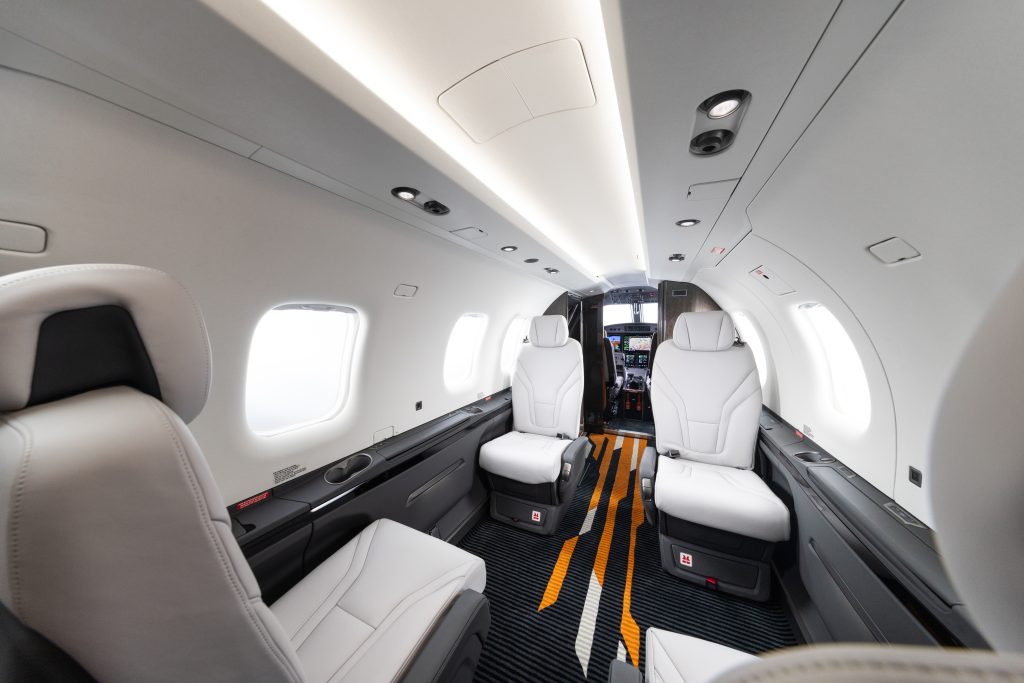
The Pilatus PC-12 is renowned for its versatility and robust design. This single-engine turboprop aircraft boasts a spacious cabin that comfortably seats up to 11 passengers. The cabin can be easily reconfigured, making it ideal for various missions.
Equipped with the Pratt & Whitney Canada PT6A engine, the PC-12 delivers exceptional performance with impressive climb rates and speed. It holds a maximum cruise speed of approximately 290 knots, ensuring efficient travel across distances.
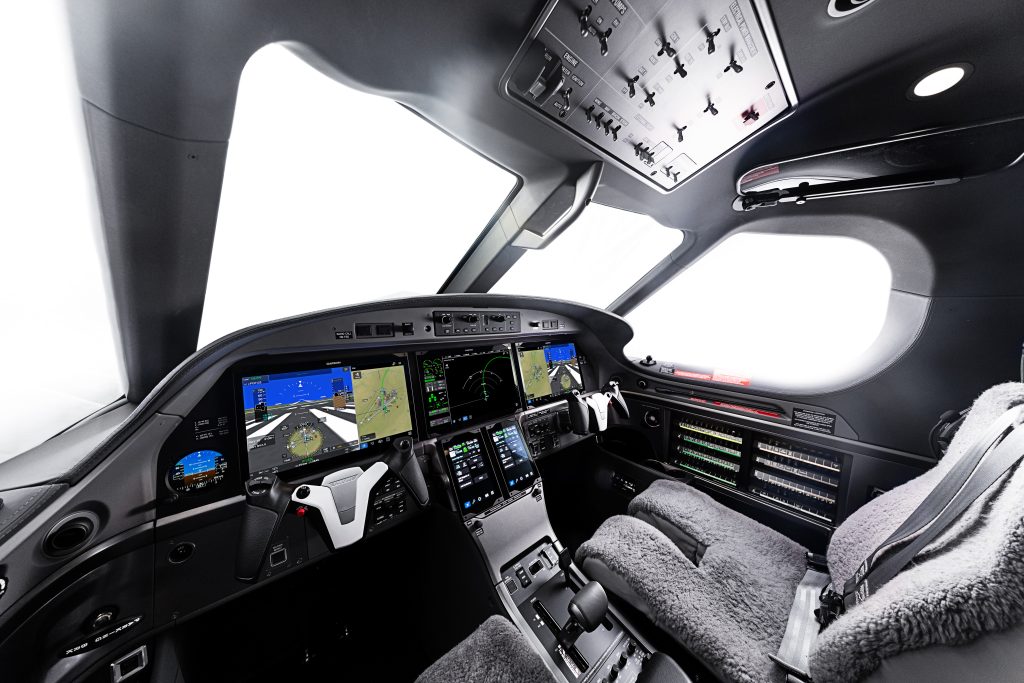
Its advanced avionics suite enhances safety while providing pilots with intuitive controls. The Garmin G1000 NXi displays real-time data, simplifying navigation and communication during flights.
With a maximum range of around 1,800 nautical miles, the Pilatus PC-12 opens doors to remote destinations where larger jets may struggle to land. Its cargo door adds functionality for transporting goods alongside passengers, further highlighting its adaptability in diverse environments.
Performance and Efficiency of the Pilatus PC-12
The Pilatus PC-12 is renowned for its impressive performance metrics. Powered by a PT6A turboprop engine, this aircraft delivers reliability and power in one package. With a cruise speed of around 290 knots, it efficiently covers long distances.
Fuel efficiency sets the PC-12 apart from competitors. Its ability to operate on various fuel types contributes to lower operating costs over time. The spacious cabin doesn’t compromise range, allowing flights of up to 1,800 nautical miles without refueling.
Climb rate is another highlight; the PC-12 ascends swiftly at an impressive 1,600 feet per minute. This capability means quick departures from short runways or challenging terrains are seamless events.
In all weather conditions, the aircraft maintains stability and control. Pilots appreciate its responsive handling during various phases of flight—making each journey smooth and reliable.
Uses and Applications of the Pilatus PC-12
The Pilatus PC-12 is remarkably versatile, making it a favorite across various sectors. Its spacious cabin accommodates passengers and cargo alike, ideal for businesses or personal travel.
In medical emergencies, the aircraft serves as an air ambulance. Equipped with stretchers and medical equipment, it swiftly transports patients to hospitals.
Additionally, the PC-12 excels in remote areas where larger planes struggle to land. It can reach destinations with short runways effortlessly.
Moreover, its ability to operate in challenging weather conditions enhances its utility for charter services and tourism operators. Adventurers appreciate its capability for scenic flights over rugged landscapes.
Many agricultural businesses rely on the Pilatus PC-12 for aerial surveying or crop dusting due to its efficiency and reliability. This adaptability demonstrates why many consider it one of the leading turboprop options available today.
Maintenance and Safety Considerations for the Pilatus PC-12
Maintaining the Pilatus PC-12 is essential for ensuring its longevity and performance. Regular inspections are crucial, covering everything from engine checks to avionics systems. Following the manufacturer’s maintenance schedule helps prevent unexpected downtime.
Safety is paramount in aviation. The PC-12 features advanced safety systems, including a robust de-icing system and terrain awareness warning technology. Pilots should receive thorough training tailored specifically for this aircraft model.
Routine maintenance not only enhances reliability but also supports optimal efficiency during operations. Keeping an eye on wear and tear can save costs in the long run.
Operators must stay updated on any service bulletins or airworthiness directives issued by regulatory bodies. These updates keep pilots informed about potential issues that may arise over time, bolstering overall safety measures aboard the PC-12 turboprop.
Engaging with a certified maintenance provider ensures adherence to all regulations while maximizing operational readiness of your Pilatus aircraft.
Comparison to Other Aircraft
When comparing the Pilatus PC-12 with other aircraft, its versatility stands out. Unlike many light jets, this turboprop offers exceptional short-field performance. It can access smaller airports where larger planes simply can’t go.
In terms of cabin space, the PC-12 excels. Its spacious interior accommodates up to nine passengers comfortably, making it ideal for both business and leisure travel. Many jets in its class offer less room or more cramped seating arrangements.
Another notable feature is cost efficiency. The operating costs of a Pilatus aircraft are generally lower than those of comparable light jets. This makes it an attractive option for operators looking to maximize value without sacrificing quality or performance.
While some aircraft may boast faster speeds, they often come at a premium price point—and require longer runways for takeoff and landing. The PC-12 strikes an impressive balance between speed and accessibility that few competitors can match.
Cost and Availability of the Pilatus PC-12
The cost of the Pilatus PC-12 varies based on its model and configuration. The base price for a new PC-12 typically starts around $4 million, while more advanced models like the PC-12NG and PC-12NGX can reach upwards of $5 million. These figures reflect not only the quality engineering that goes into each aircraft but also its robust performance capabilities.
For those considering pre-owned options, prices fluctuate significantly depending on age, condition, and installed features. A well-maintained used Pilatus aircraft may range from approximately $2 million to over $3 million. It’s worth noting that the popularity of the PC-12 in various sectors contributes to a stable resale market.
Availability is another important factor. New orders often come with wait times due to high demand. Prospective buyers are encouraged to connect with authorized dealers or brokers who specialize in Pilatus aircraft to explore their options further.
Financing solutions are available for both individuals and businesses looking to invest in this versatile turboprop plane, making it accessible across different budgets.
Whether purchased new or pre-owned, investing in a Pilatus PC-12 offers exceptional value for those seeking reliability and performance in aviation.
If you are considering purchase a Pilatus PC-12 either for personal or business use – Then please contact us today where we can guide you through the current aircraft marketplace as well as discuss aircraft costs and values. Contact Us
Interest in the Pilatus PC-24? View our PC-24 business jet guide HERE
Pilatus PC-12 Specifications
| Specification | Detail |
|---|---|
| Length | 47.3 ft (14.40 m) |
| Wingspan | 53.3 ft (16.23 m) |
| Height | 14.0 ft (4.26 m) |
| Cabin Length | 16.9 ft (5.16 m) |
| Cabin Width | 5.0 ft (1.52 m) |
| Cabin Height | 4.8 ft (1.47 m) |
| Max Take-Off Weight (MTOW) | 10,450 lb (4,740 kg) |
| Max Range | 1,803 nm (3,339 km) |
| Max Cruise Speed | 290 ktas |
| Max Altitude (Ceiling) | 30,000 ft |
| Engine | 1x Pratt & Whitney Canada PT6A-67P turboprop |
| Typical Passenger Capacity | 6–10 |
| Baggage Volume | 40 cu ft (1.13 m³) internal + large cargo door access |
PC-12 Ownership Costs
The PC-12 is widely regarded as one of the most cost-efficient pressurised aircraft in private aviation, and that reputation is grounded in verifiable operating economics rather than marketing copy.
Annual fixed costs for a privately operated PC-12 are typically in the range of £180,000–£280,000, covering one or two pilots (single-pilot IFR is the norm), hull insurance, hangarage, and subscriptions. Many owners operate the aircraft on a single-pilot basis under appropriate ratings, which substantially reduces crew costs relative to twin-engine jets.
Variable costs per flight hour run from approximately £600 to £900 including fuel (the PT6A-67P burns around 65–75 US gallons per hour), engine reserves, and maintenance consumables. The PT6A family is among the most reliable and well-supported turbine engines in existence, with an overhaul interval of 3,500 hours (or on-condition for operators enrolled in Pratt & Whitney’s ESP programme). Overhaul costs for the PT6A-67P are in the region of £250,000–£350,000 depending on time since new and component exchange decisions.
Scheduled airframe inspections follow a 100-hour/annual cycle with more significant checks at 3,000-hour intervals. Annual maintenance costs typically fall between £35,000 and £60,000 for a well-maintained, current airframe. The global network of Pilatus authorised service centres and the sheer number of PT6A-qualified engineers worldwide keeps downtime to a minimum.
PC-12 Market Position and Resale Value
The PC-12 has earned its status as the world’s best-selling single-engine turbine aircraft. With over 1,900 delivered, parts availability, market liquidity, and operator familiarity are exceptional. Pre-owned values are stable and the secondary market is deep — well-maintained examples sell quickly at most price points.
Older NG variants (pre-2008) have depreciated significantly and can be acquired for £1.2–£2.0 million, while PC-12/47E and PC-12 NG examples from 2012 onward hold values of £2.5–£4.5 million depending on hours, configuration, and avionics status. Annual depreciation across the fleet averages 4–7%, though low-time examples in executive configuration depreciate more slowly. The aircraft’s utility operator base provides a natural floor under values even as it ages.
PC-12 Variants and Production History
Pilatus flew the PC-12 prototype on 31 May 1991, with Swiss FOCA certification following in March 1994 and FAA certification in July 1994. The original production aircraft established the platform’s core architecture — a single PT6A-67B engine, a pressurised cabin with a large cargo door, and exceptional short-field performance — that has remained philosophically consistent through every subsequent variant.
The PC-12/45 introduced structural and systems refinements in 1996. The PC-12/47 (2006) upgraded to the PT6A-67P engine and a fully integrated Honeywell Apex avionics suite, marking the most significant performance leap in the type’s history. The PC-12/47E designation (2008) refined interior options and noise levels.
The PC-12 NG (Next Generation), introduced in 2008, incorporated the Primus Apex Pro cockpit, increased MTOW, and improved cabin appointments. The PC-12 NGX, launched at EBACE 2019 and delivered from 2020, is the current production standard. The NGX features the Honeywell Primus Apex 2.0 avionics suite with touchscreen control, a redesigned cabin interior with improved insulation and lighting, and further aerodynamic refinements. The NGX is the aircraft covered in the separate PC-12 PRO entry on this site.